Overview

Syllabus

Syllabus

  • Lecture: Tue & Thur 2:00pm - 3:15pm, FPAT 253.

  • Office Hours: TBD

  • Text: Notes +Modern Robotics+ Robot Modeling and Control

  • Workload: 2.5 hours of lecture, 8 hours of reading notes, papers, and writing simulation code per week.

  • Course announcements: I use canvas to send information, but don’t read inbox messages. Contacting me by email with [ME 676 RMC]: or [AER 676 RMC]: makes it easy for me to track and respond to your emails.

  • Course website: All course material will be available on the website, which will be updated as the course proceeds.

Syllabus

  • Academic Integrity

  • Accommodations due to disability

  • Attendance Policy

  • Classroom Conduct

  • Excused Absences & Verification of Absences

  • Exams: None.

  • Homework: Intermittent assignments, must adhere to rules in syllabus

  • Grading: See Syllabus. Subject to change.

Course Overview

Learning Goal

For you to be able to read and assimilate both recent papers and early foundational papers on robotics. Furthermore, develop programming skills that enable you to implement and try (possibly new) methods in simulation.

Course Overview

Learning Goals:

  1. Understand coordinates and robot configurations.

  2. Understand how to transform the robot configuration into task coordinates and vice versa, along with the challenges in these processes.

  3. Learn approaches to planning motions in both task coordinates and robot configurations.

  4. Learn approaches to achieving planned motions using feedback control.

  5. Understand the challenges of state estimation.

  6. Learn optimization-based approaches to planning and control.

  7. Understand contact modeling and control challenges.

  8. Simulate robotic systems and test control algorithms.

Course Overview

Approaches for achieving goals:

  • Lecture/Discussion on

    1. Coordinates

    2. Dynamical Systems: single and articulated rigid bodies

    3. Planning Trajectories

    4. Sensing and State Estimation

    5. Feedback Control

  • Research article discussions

  • Practice through assignments (code and question) and Course Project

Grades

Name Weight Due (Tentative)
Assignment 1 20% Week 3
Assignment 2 20% Week 6
Research Article Discussions 10% Weeks 7 -10
Project Proposal 10% Week 11
Assignment 3 20% Week 12
Project Presentation 20% Week 15

Expectations

  • You are reviewing notes and slides.

  • Comfort with mathematics:

    • Abstract definitions.

    • Imagining concrete examples to which they apply.

    • Applying definitions to complete derivations and proofs.

  • Comfort with code:

    • How to use documentation describing installation and use of packages.

    • Awareness of the need to test code frequently tests will need testing.

  • Study groups. Don’t go this one alone.

About Me

  • Grew up in India (early childhood in England)

  • Undergraduate degree in Mech. Engg. in India

  • Masters in Mech. Engg focusing on Mechatronics

  • Ph.D in Electrical Engg. from UT Dallas: Legged Robots -> Graph Theory + Multi-robot coordination + Quadrotors

  • PostDoc at UT Austin: Stability Analysis of Classifier-in-the-Loop Systems

Research

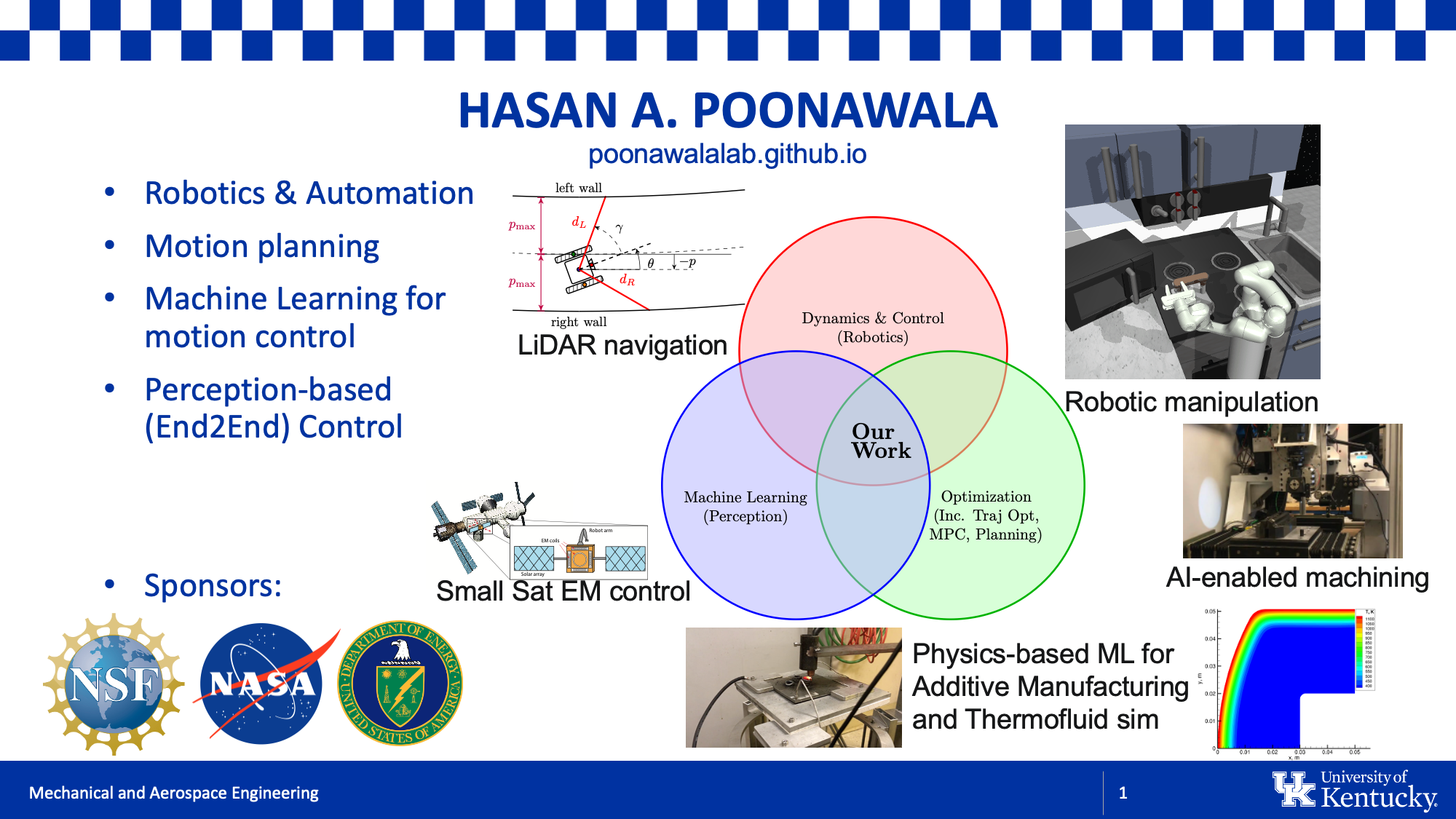
Goal: Get mechanical robots to control themselves.

Inspiration

About You

On an index card / sheet of paper, write down:

  1. Name

  2. First robot you were aware of and/or Favorite robot

  3. Motivation for taking this course

  4. Concerns about the course

  5. Topics you wish were on the syllabus

  6. Topics you have already studied

  7. Learning/teaching styles that you feel work well for you

Motivation

Motivation

Motivation

Motivation

Motivation

Motivation

Exercise

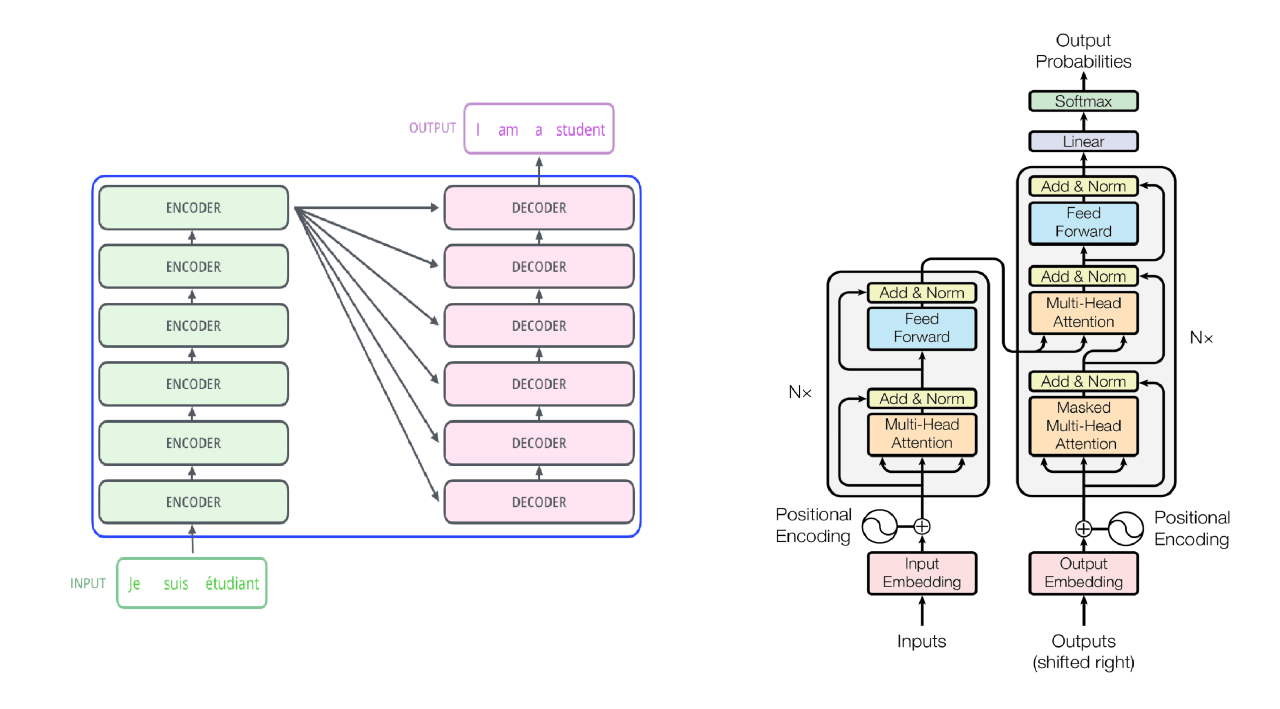
Sketch a diagram describing your guess for the underlying system architecture that achieves these kinds of behaviors

What’s Left?

  • Touch feedback
  • Human-Robot Interaction
  • Safety
  • Reliability
  • Energetic Efficiency

Previous: Will the prototype work?

Now: Will this be a viable commercial product?

My Research

Goal

Goal: Get mechanical robots to control themselves.

Day-to-day:

  • Theory from dynamics and control systems,
  • Algorithm development: optimization
  • Simulations/experiments

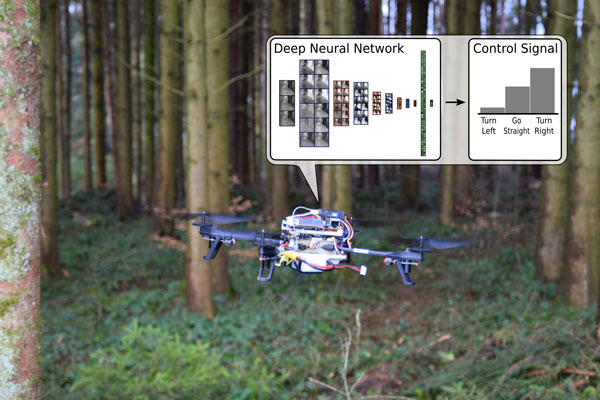
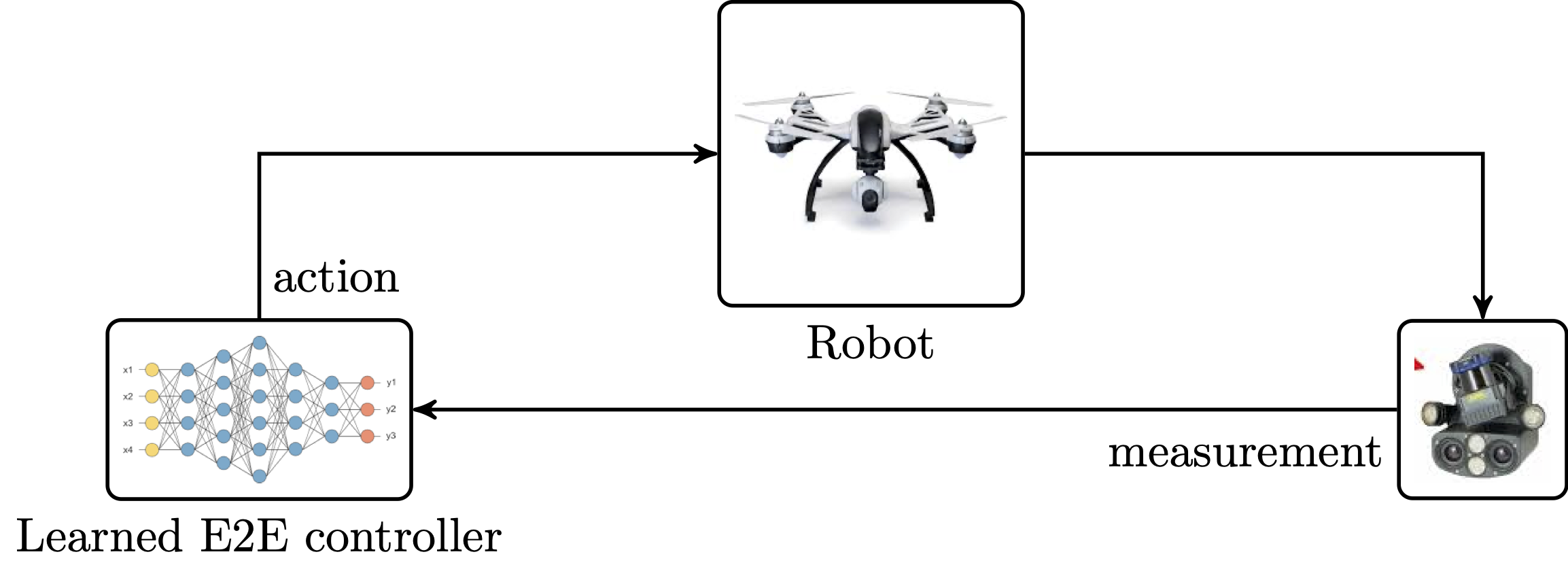
End-to-end Neural Net Control

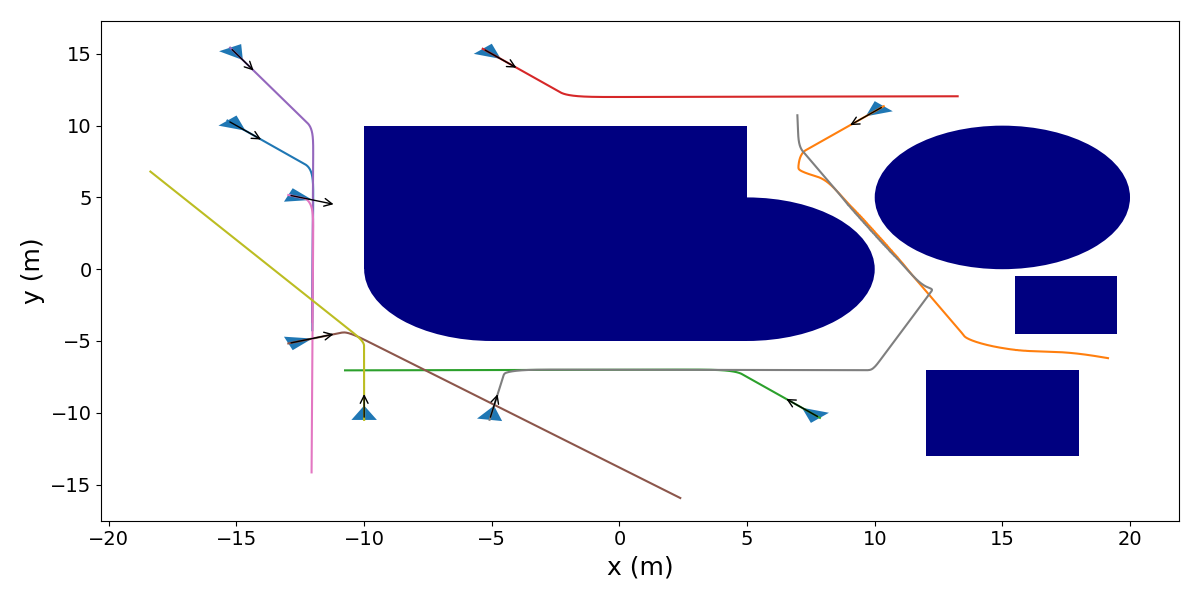
Results

Guaranteed Collision Avoidance

Mapping
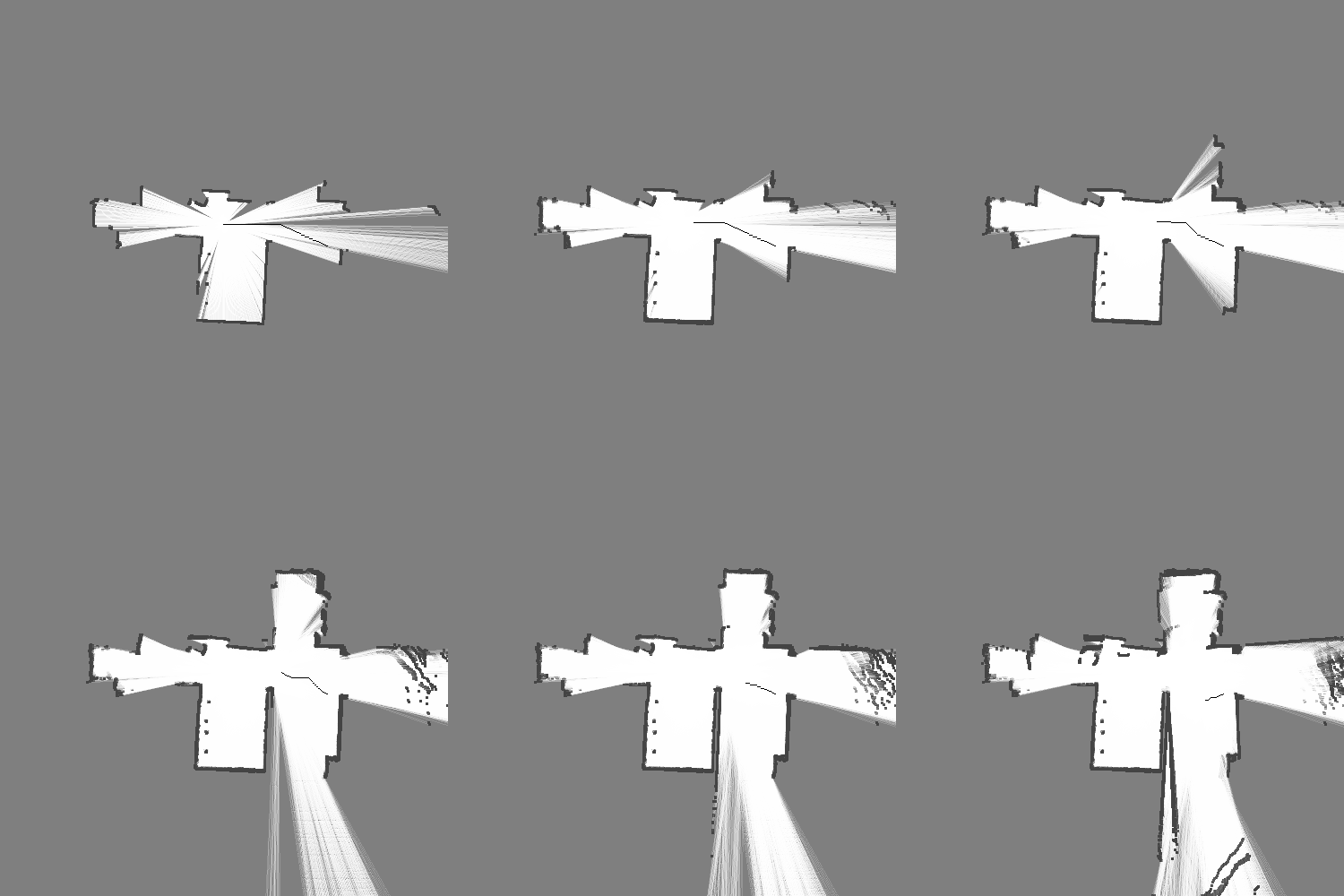
Uses Pose-Graph-based SLAM, A*^*, and pure pursuit algorithm to get to a location.

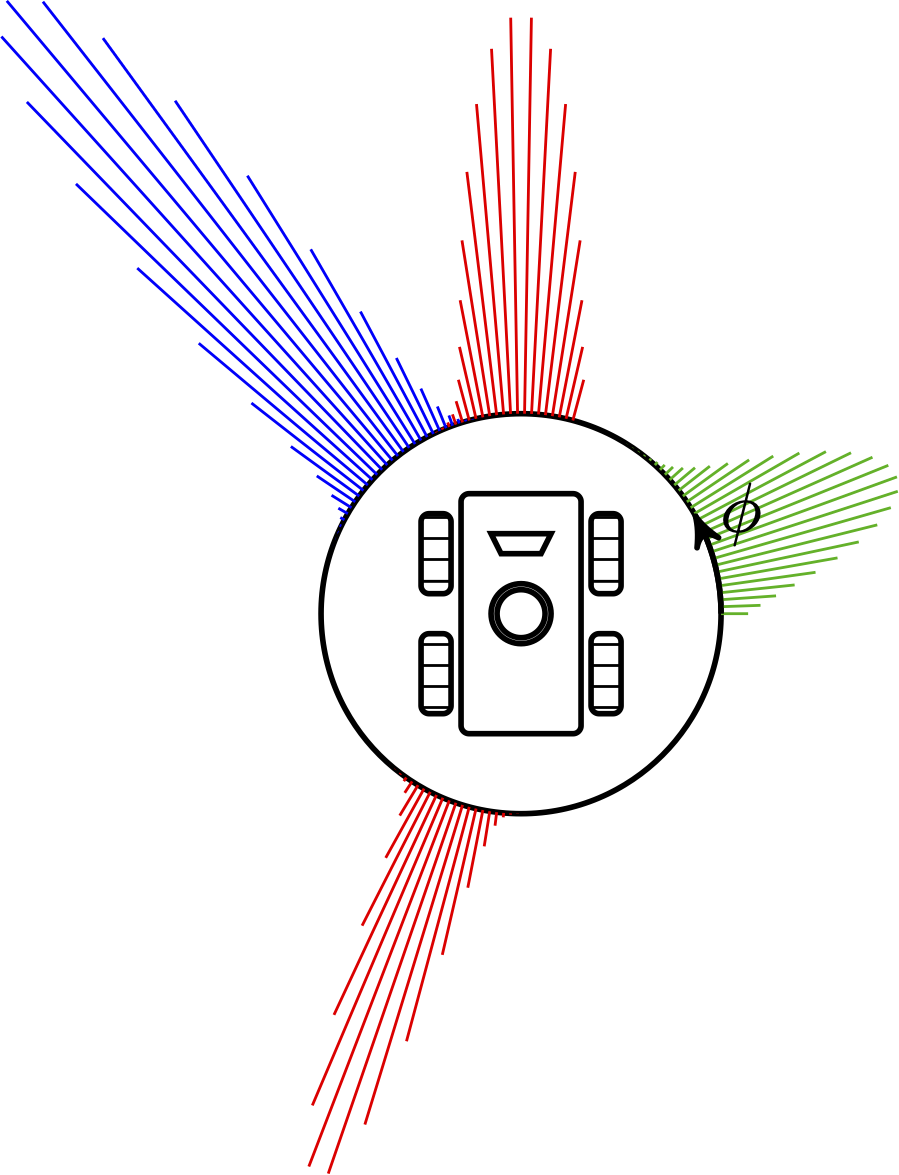
Distance-based Navigation
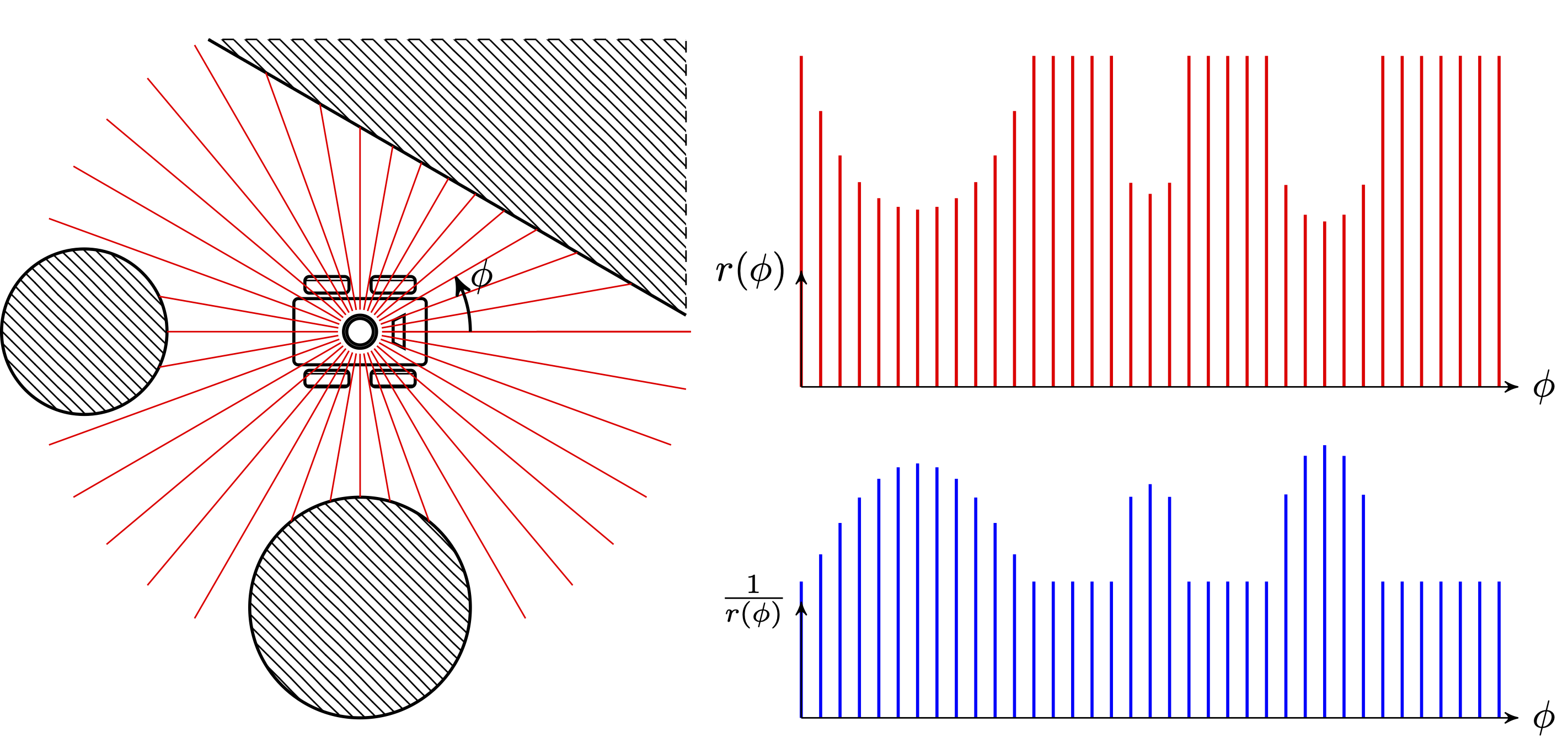
Object-aware Navigation
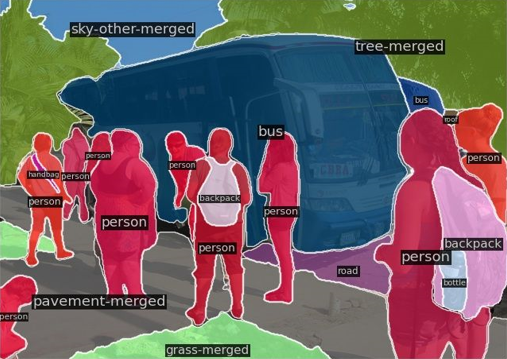
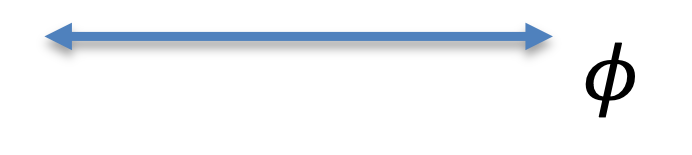
Replace 1/r(ϕ)1/r(\phi) with measure of object presence at ϕ\phi

“Find bus below tree. Approach and help people getting on.”

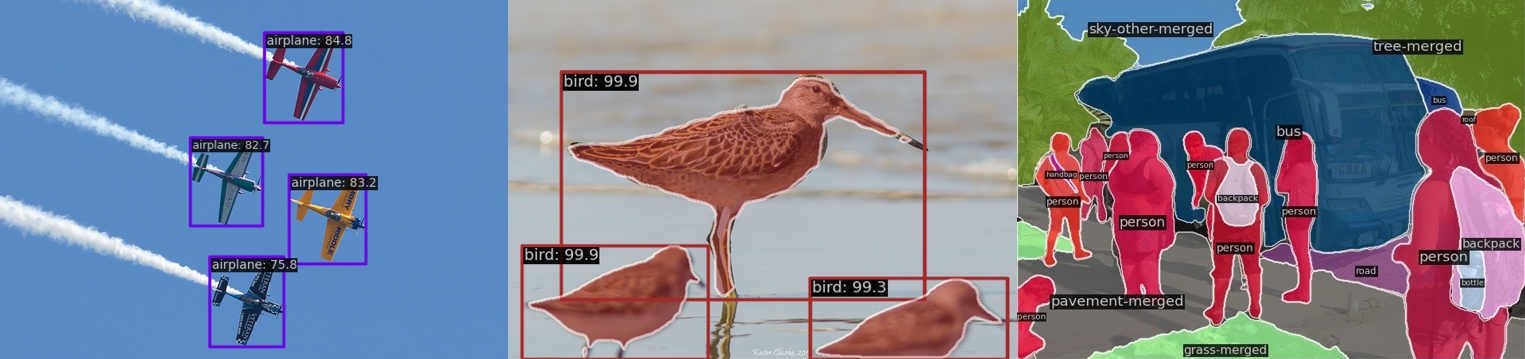
Yolov9 Segmentation Model
Source: https://img.freepik.com/premium-vector/vector-realistic-washing-machine-white-3d-mockup_208581-782.jpg?semt=ais_hybrid

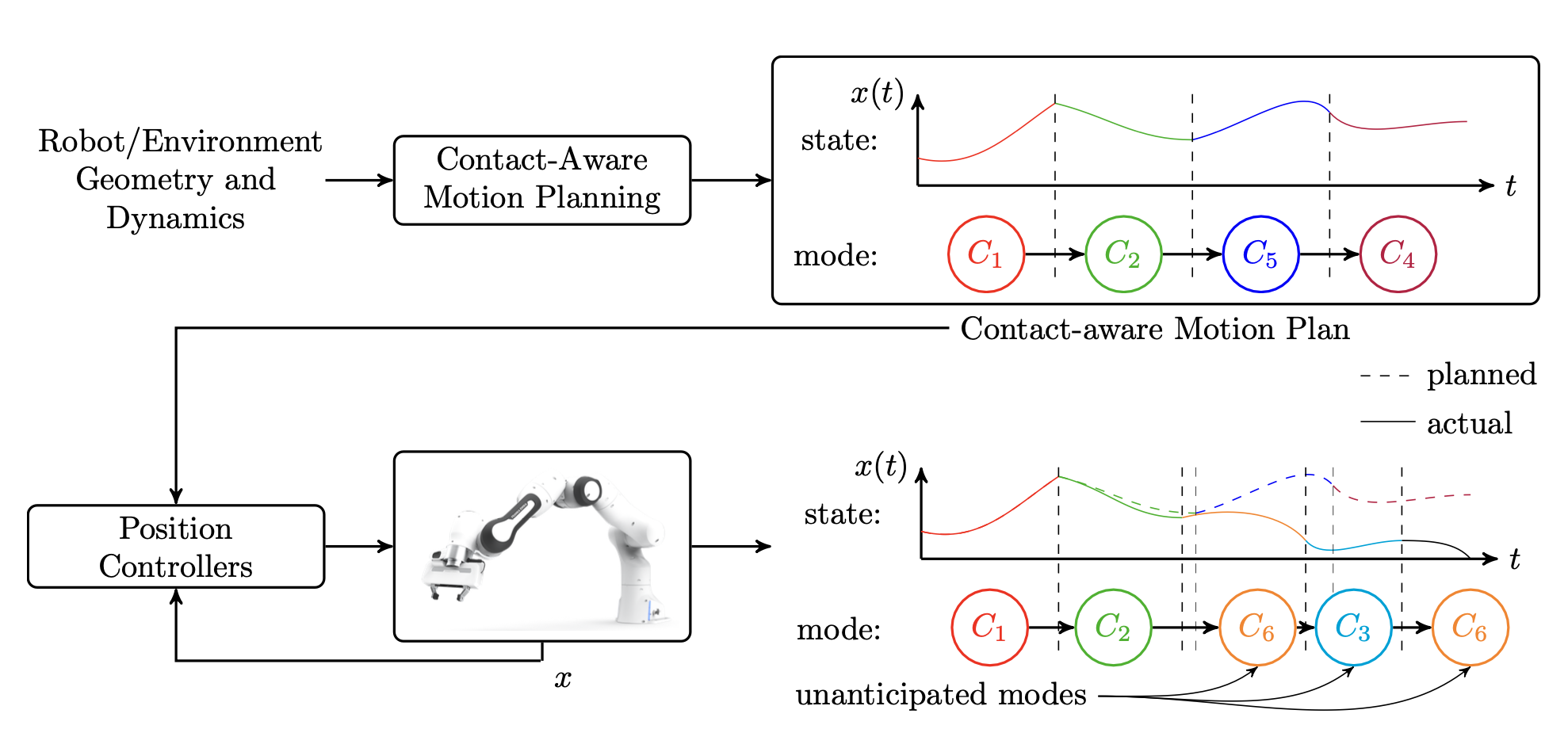
Contact-Rich Manipulation

Contact-Rich Manipulation

Guided Policy Search

No guidance

Contact-Rich Manipulation

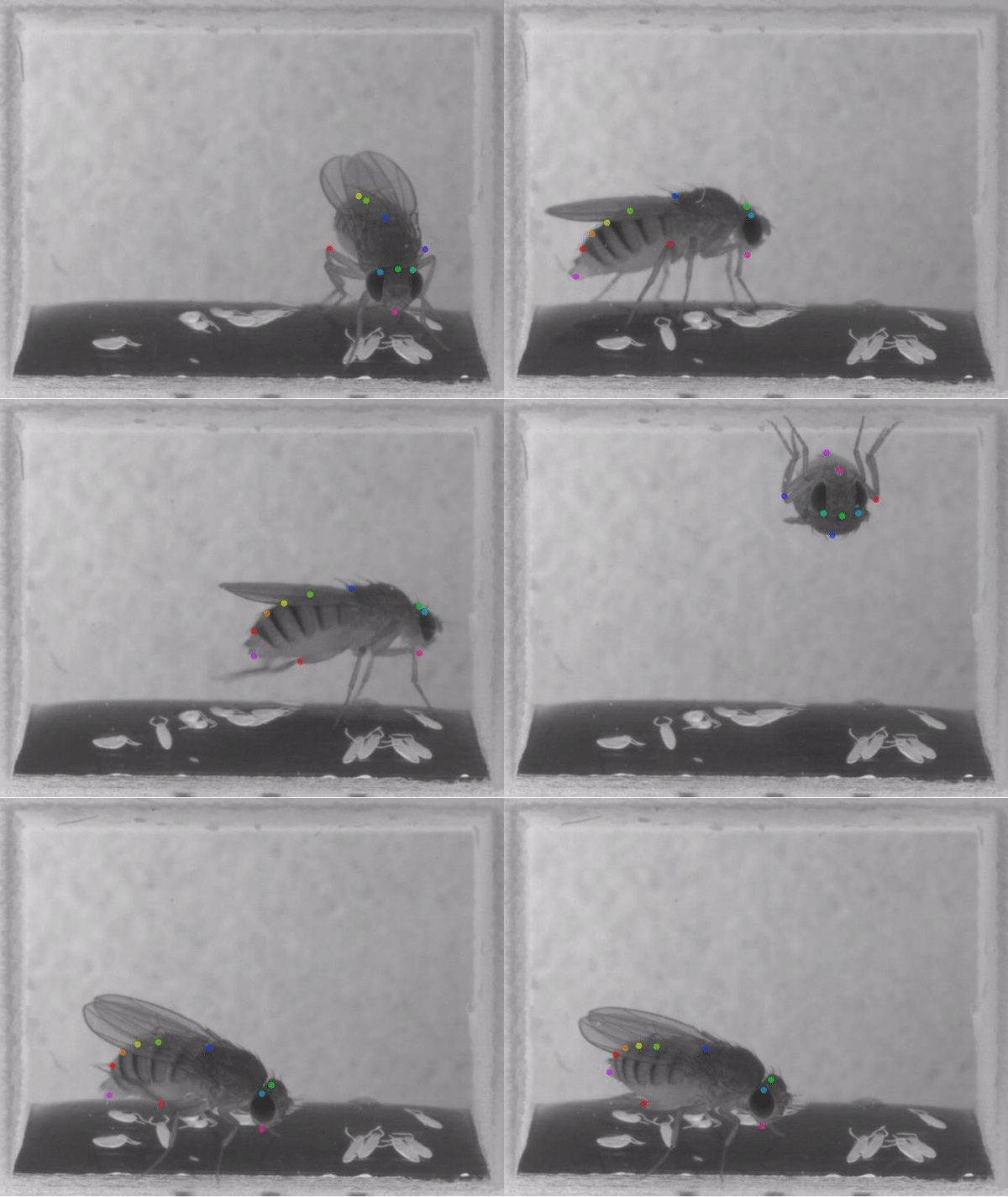
DL for Smart Sensors and Data
Tracking Robot Arms
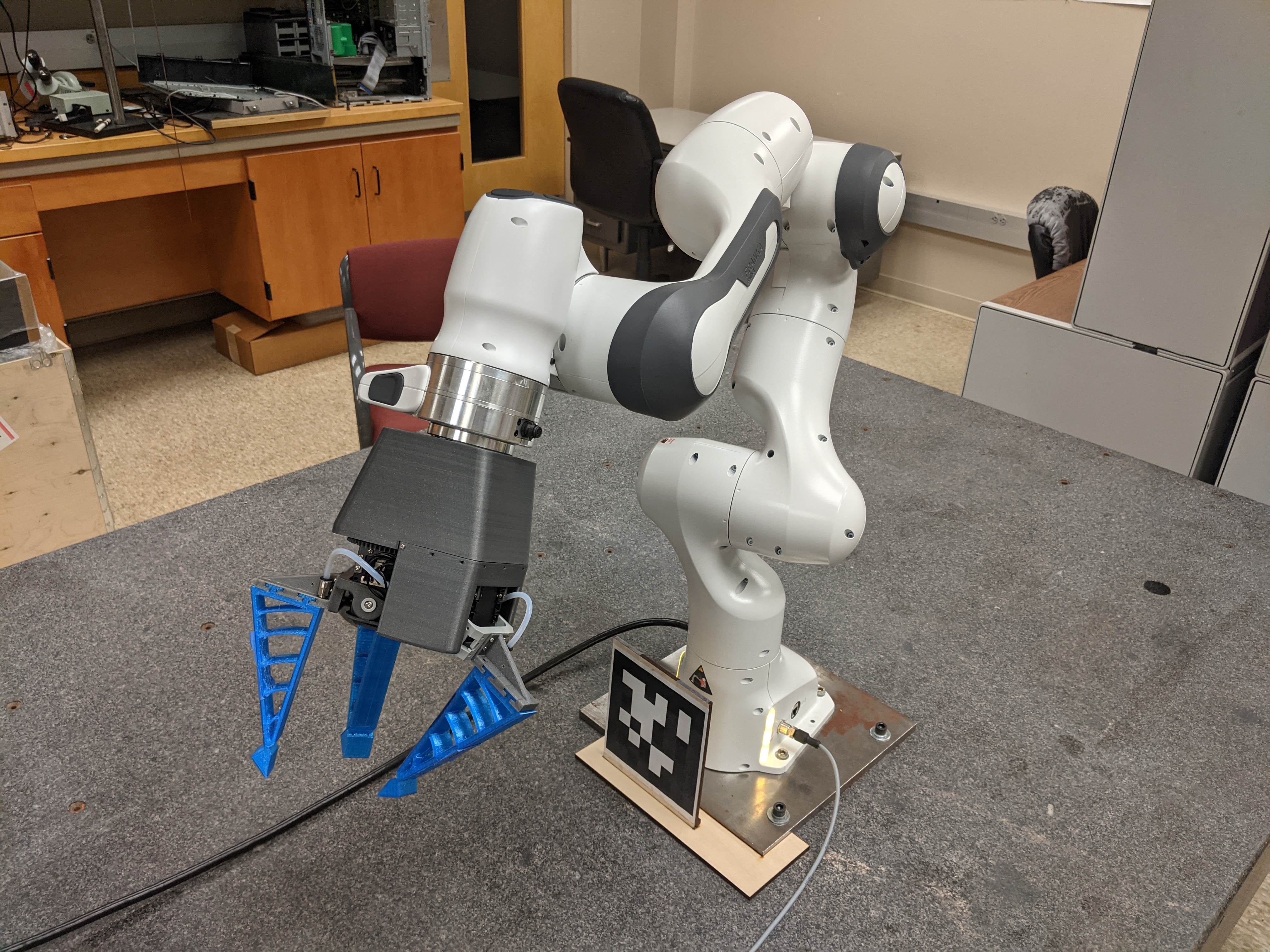
DREAM Model
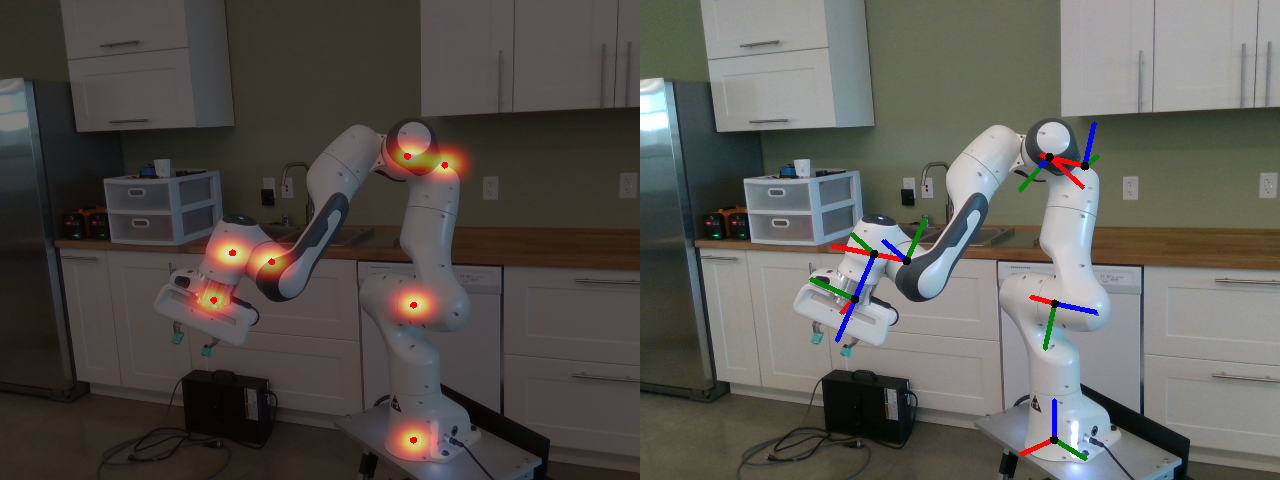
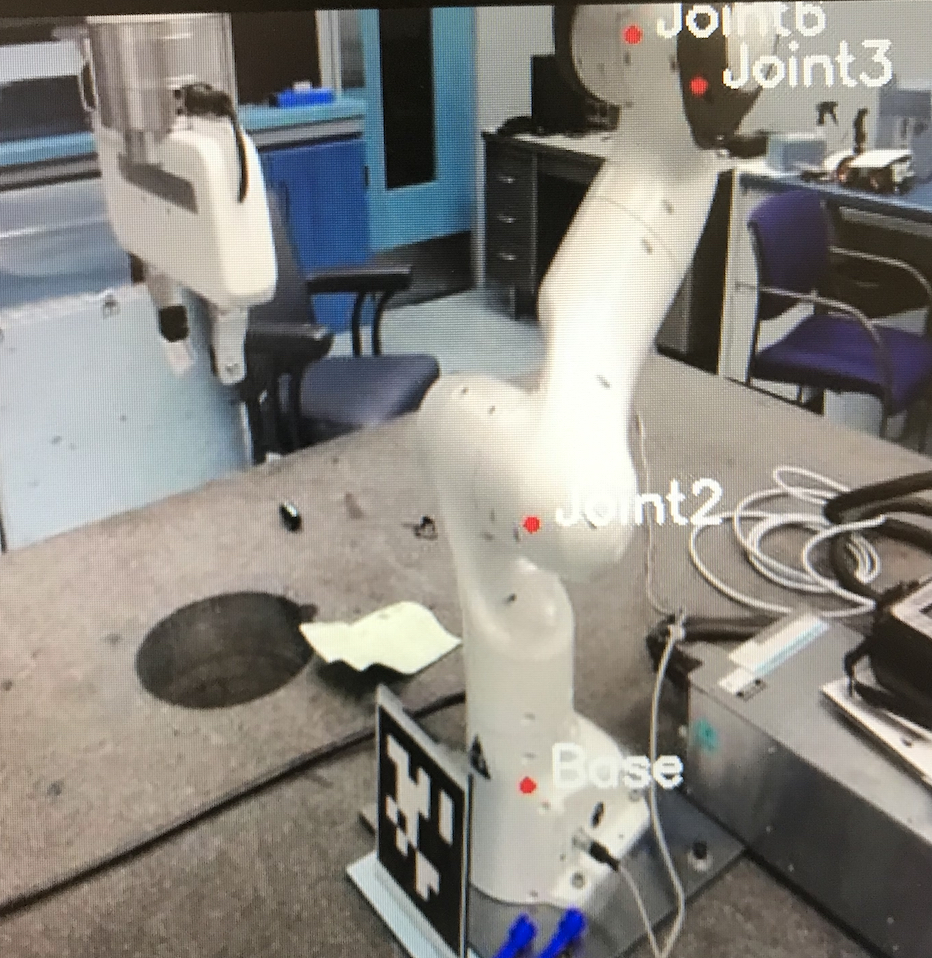
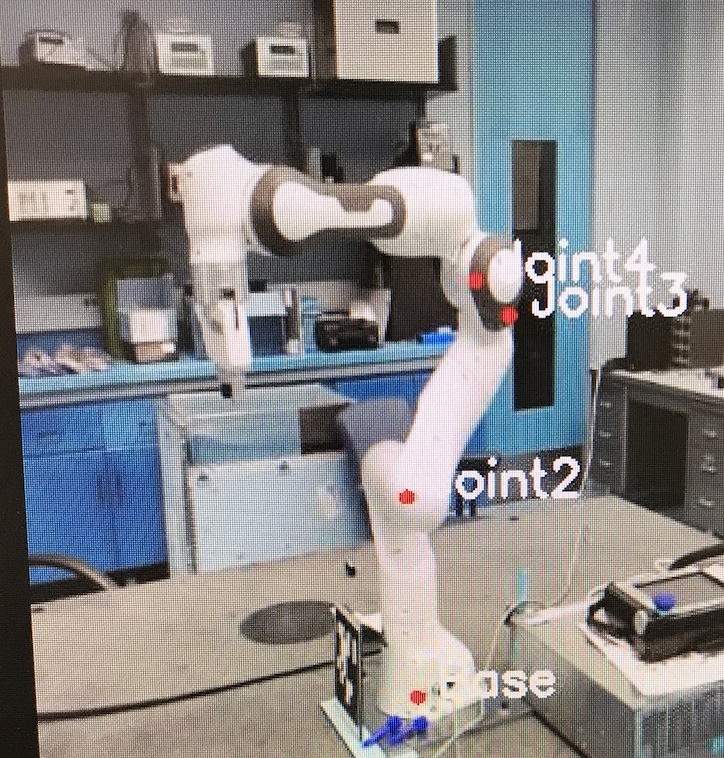
https://sim2realai.github.io/assets/img/2020-06-29/Lee_etal_2020_dream_panda_reaching_frame.png

DREAM Model

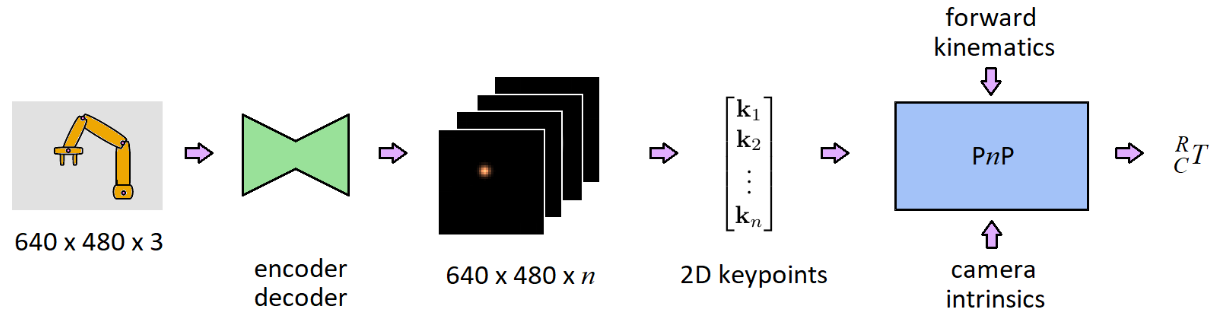
https://sim2realai.github.io/assets/img/2020-06-29/Lee_etal_2020_dream_pipeline.png
  • 80 - 200 MB model depending on the backbone (VGG-X vs ResNet-X)

DREAM On Jetson Nanos
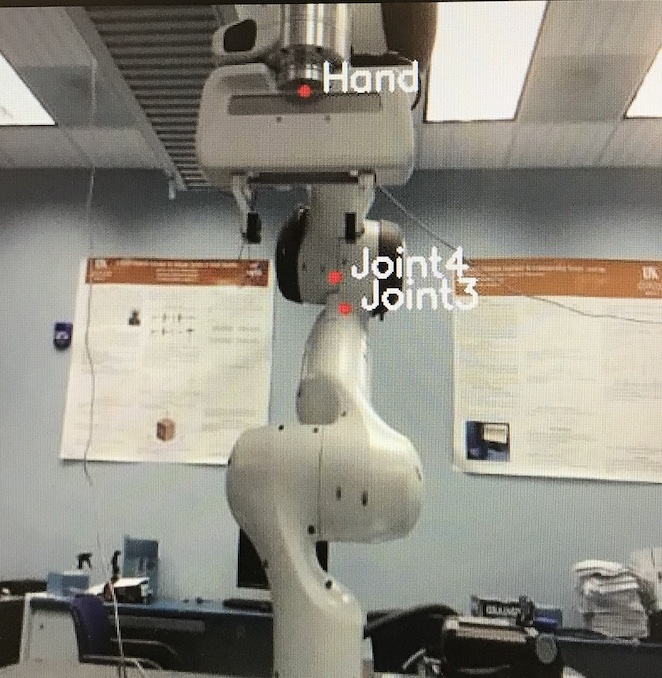
image image image